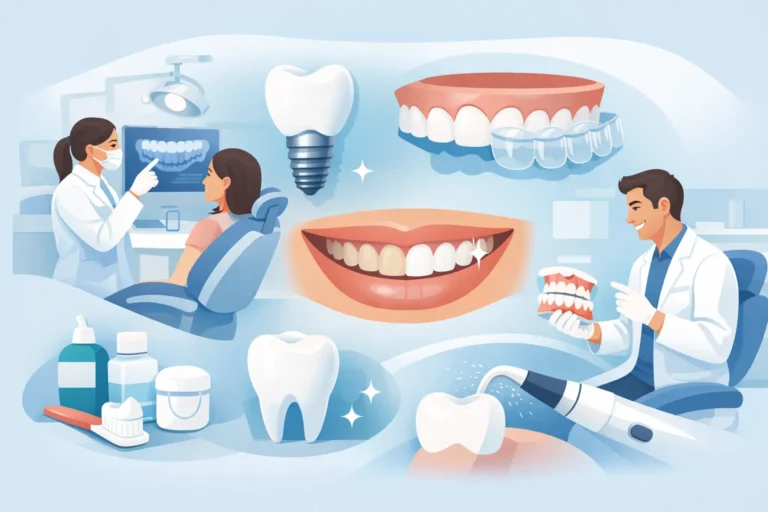
ألم اللثة الخفيف، رائحة الفم المتكررة، أو حساسية الأسنان عند شرب شيء بارد – هذه التفاصيل الصغيرة غالبًا لا تظهر فجأة، بل تتراكم مع الوقت. لذلك فإن معرفة كيفية الحفاظ على صحة الفم لا ترتبط فقط بنظافة الأسنان، بل بأسلوب رعاية يومي يحمي الأسنان واللثة ووظيفة الفم على المدى الطويل.
صحة الفم جزء أساسي من الراحة اليومية والثقة بالنفس وجودة الحياة. فعندما تكون الأسنان سليمة واللثة مستقرة، يصبح الأكل أسهل، والكلام أوضح، والابتسامة أكثر راحة. وفي المقابل، قد تبدأ مشكلات كثيرة بإشارات بسيطة يتم تجاهلها إلى أن تتحول إلى حاجة لعلاج أكبر مما كان يمكن تجنبه بالرعاية الوقائية المنتظمة.
كيفية الحفاظ على صحة الفم تبدأ من الروتين اليومي
الخطوة الأهم ليست الأكثر تعقيدًا، بل الأكثر انتظامًا. تنظيف الأسنان مرتين يوميًا بمعجون يحتوي على الفلورايد يظل أساس العناية اليومية، لكن الفعالية هنا تعتمد على الطريقة والمدة، وليس على التكرار فقط. كثير من الأشخاص يفرشون أسنانهم بسرعة أو بعنف، وهذا قد يترك البلاك في أماكن مهمة أو يسبب تهيجًا للثة مع الوقت.
الطريقة الأفضل تكون بحركات لطيفة ومنظمة، مع الوصول إلى جميع الأسطح الخارجية والداخلية وأسطح المضغ. كما أن تنظيف اللسان مهم، لأن تراكم البكتيريا عليه قد يساهم في رائحة الفم غير المرغوبة. وإذا كانت الفرشاة ذات شعيرات قاسية أو قديمة، فقد تقل الفائدة وتزداد احتمالية تهيج الأنسجة، لذلك يفضل تغييرها بشكل دوري.
الخيط السني ليس خطوة إضافية تجميلية، بل جزء أساسي من التنظيف. الفرشاة لا تصل بشكل كافٍ بين الأسنان أو تحت نقاط التلامس، وهنا يبدأ تراكم البلاك الذي قد يؤدي إلى التهاب اللثة أو التسوس بين الأسنان. بعض المرضى يفضلون الفرش بين السنية أو أجهزة تنظيف الماء، وهذا قد يكون مناسبًا في حالات معينة، خاصة مع التقويم أو التركيبات أو المسافات الأوسع بين الأسنان. الاختيار هنا يعتمد على طبيعة الفم وليس على منتج واحد يناسب الجميع.
اللثة السليمة ليست أمرًا ثانويًا
عند الحديث عن صحة الفم، يركز كثيرون على الأسنان البيضاء أو غياب الألم، بينما تبقى اللثة في الخلفية رغم أنها عنصر أساسي في ثبات الأسنان واستقرارها. نزيف اللثة عند التفريش ليس أمرًا طبيعيًا يجب التعايش معه، حتى لو كان بسيطًا أو متقطعًا. في كثير من الحالات، يكون هذا النزيف علامة مبكرة على التهاب يحتاج إلى عناية أفضل أو تقييم مهني.
التهاب اللثة في مراحله الأولى قد يتحسن بشكل واضح مع التنظيف الجيد والمتابعة، لكن تركه دون علاج قد يؤدي إلى مشكلات أعمق في الأنسجة الداعمة للأسنان. لهذا السبب، لا يكفي أن تبدو الأسنان نظيفة من الخارج. صحة الفم الحقيقية تعني أن تكون اللثة أيضًا وردية، مستقرة، وغير مؤلمة.
التغذية تؤثر مباشرة في صحة الفم
ليس السكر وحده هو المشكلة، بل تكرار التعرض له وطريقة تناوله خلال اليوم. تناول كميات صغيرة من الأطعمة أو المشروبات السكرية على فترات متكررة قد يكون أكثر ضررًا من تناولها مرة واحدة مع وجبة رئيسية، لأن الفم يبقى في حالة تعرض مستمر للأحماض التي تضعف طبقة المينا.
المشروبات الحمضية أيضًا تستحق الانتباه، مثل بعض العصائر والمشروبات الغازية ومشروبات الطاقة. هذه لا ترتبط فقط بالتسوس، بل قد تساهم في تآكل الأسنان تدريجيًا، خصوصًا عند تناولها بشكل يومي. وحتى الخيارات التي تبدو صحية قد تكون حمضية أو غنية بالسكر، لذلك الاعتدال مهم.
في المقابل، شرب الماء بانتظام يساعد على ترطيب الفم وتقليل بقايا الطعام ودعم إفراز اللعاب. واللعاب له دور وقائي مهم لأنه يساهم في معادلة الأحماض وحماية الأنسجة الفموية. كما أن النظام الغذائي المتوازن الذي يحتوي على الكالسيوم والفيتامينات والعناصر الأساسية يدعم الأسنان واللثة بشكل غير مباشر ولكن واضح مع الوقت.
جفاف الفم مشكلة شائعة أكثر مما يظن كثيرون
بعض المرضى يعتنون بأسنانهم جيدًا، ومع ذلك تستمر لديهم مشكلات مثل الرائحة أو التسوس أو الإحساس باللزوجة داخل الفم. هنا قد يكون السبب جفاف الفم، وهو حالة تقل فيها كمية اللعاب أو تتغير جودته. هذا قد يحدث بسبب بعض الأدوية، أو التنفس من الفم، أو بعض الحالات الصحية، أو حتى قلة شرب الماء.
جفاف الفم ليس مجرد شعور مزعج. عندما يقل اللعاب، تقل الحماية الطبيعية للفم، وتزيد قابلية التسوس والالتهابات وصعوبة المضغ أو الكلام أحيانًا. إذا كان الجفاف متكررًا أو مزمنًا، فمن الأفضل مناقشته مع طبيب الأسنان بدل الاكتفاء بتغيير المعجون أو الغسول فقط.
كيف تحافظ على صحة الفم إذا كان لديك تقويم أو زراعة أو تركيبات؟
هنا تصبح العناية أكثر دقة، لا أكثر صعوبة. التقويم مثلًا يخلق مناطق إضافية قد يحتبس فيها الطعام والبلاك، لذلك يحتاج المريض إلى أدوات مساعدة وتقنية تنظيف أنسب من الروتين المعتاد. أما الزراعة السنية والتركيبات والجسور، فهي تحتاج إلى متابعة وتنظيف مدروس للحفاظ على الأنسجة المحيطة بها وضمان استمرار النتيجة الوظيفية والجمالية.
الخطأ الشائع هو الاعتقاد أن الأسنان الصناعية أو التركيبات لا تتأثر لأنها ليست أسنانًا طبيعية. الواقع أن الأنسجة الداعمة حولها قد تلتهب أو تتضرر إذا لم تتم العناية بها جيدًا. لذلك فإن الخطة الوقائية تختلف من شخص لآخر بحسب نوع العلاج الذي تلقاه، وحالة اللثة، وطبيعة الإطباق، والقدرة على التنظيف اليومي.
في المراكز المتقدمة مثل Euro Arabian Dental Center، لا تقتصر المتابعة على إجراء العلاج نفسه، بل تشمل أيضًا توجيه المريض إلى الطريقة الأنسب للحفاظ على النتيجة بعد العلاج. وهذا مهم خاصة في الحالات التي تتطلب زراعة أسنان أو تقويمًا أو إعادة تأهيل للابتسامة، لأن النجاح طويل الأمد يعتمد على الرعاية المستمرة بقدر اعتماده على جودة العلاج.
الفحص الدوري ليس فقط عند وجود ألم
من أكثر الأسباب التي تؤخر التشخيص أن كثيرًا من مشكلات الفم قد تبدأ دون ألم واضح. التسوس في مراحله المبكرة قد لا يسبب شكوى مباشرة، والتهاب اللثة قد يظهر فقط كنزيف بسيط، وتآكل الأسنان قد يتطور تدريجيًا دون ملاحظة سريعة. لهذا تبقى الزيارة الدورية لطبيب الأسنان جزءًا أساسيًا من الوقاية، وليست خطوة مرتبطة بالحالات الطارئة فقط.
الفحص المنتظم يسمح باكتشاف التغيرات المبكرة قبل أن تتحول إلى علاجات أعقد. كما يمنح الطبيب فرصة لتقييم طريقة التنظيف، وحالة اللثة، وعلامات الضغط على الأسنان، وأي تغيرات تحتاج متابعة. وتختلف مواعيد الزيارات من شخص لآخر، فالمريض الذي لديه تاريخ من أمراض اللثة أو زراعة أو تقويم قد يحتاج متابعة أقرب من غيره.
متى يجب عدم تأجيل الموعد؟
إذا لاحظت نزيفًا متكررًا من اللثة، أو رائحة فم مستمرة، أو ألمًا عند المضغ، أو حساسية جديدة، أو قرحًا لا تختفي، فمن الأفضل طلب التقييم الطبي. ليس لأن كل عرض يعني مشكلة كبيرة، بل لأن التقييم المبكر غالبًا يجعل العلاج أبسط وأكثر راحة.
عادات يومية قد تضر أكثر مما نتوقع
بعض السلوكيات تبدو عابرة لكنها تؤثر على صحة الفم مع الوقت. الضغط على الأسنان أو صريرها، خاصة أثناء النوم، قد يسبب تآكلًا أو ألمًا في الفك أو تشققات دقيقة في الأسنان. كذلك استخدام الأسنان لفتح العبوات أو كسر الأشياء يعرّضها للإجهاد والكسر.
التدخين أيضًا من أكثر العوامل التي تؤثر سلبًا على اللثة ورائحة الفم وثبات الأسنان ونجاح بعض العلاجات السنية. كما أن إهمال العناية الليلية تحديدًا يعد مشكلة شائعة، لأن البكتيريا تستمر بالنشاط خلال ساعات النوم في وقت يقل فيه تدفق اللعاب بشكل طبيعي.
كيفية الحفاظ على صحة الفم عند الأطفال والبالغين داخل الأسرة
رغم أن مبادئ العناية الأساسية متشابهة، إلا أن التطبيق يختلف بحسب العمر والاحتياج. الأطفال يحتاجون إلى إشراف وتعليم مبكر، بينما يحتاج البالغون غالبًا إلى الانتظام وعدم تأجيل المراجعات. وفي الأسر، تكون أفضل النتائج عندما تصبح العناية بصحة الفم جزءًا من الروتين اليومي المعتاد، لا مهمة مرتبطة بالمشكلة فقط.
كما أن وجود تاريخ عائلي لبعض المشكلات مثل أمراض اللثة أو ازدحام الأسنان أو فقدان الأسنان المبكر قد يستدعي انتباهًا إضافيًا. هذا لا يعني أن المشكلة حتمية، لكنه يعني أن الوقاية المبكرة أكثر فائدة.
ما الذي يجعل العناية فعالة فعلًا؟
ليست كثرة المنتجات، ولا المبالغة في التنظيف، ولا الاعتماد على حل واحد. العناية الفعالة هي التي تجمع بين تنظيف صحيح، وغذاء متوازن، ومتابعة دورية، وفهم لطبيعة الفم الخاصة بكل شخص. ما يناسب مريضًا لديه تقويم قد لا يناسب آخر يعاني من جفاف الفم أو انحسار اللثة.
لهذا السبب، فإن أفضل نهج هو التعامل مع صحة الفم على أنها رعاية مستمرة وليست رد فعل عند ظهور المشكلة. كل خطوة صغيرة تقوم بها اليوم – من طريقة التفريش إلى موعد الفحص الدوري – تترك أثرًا تراكميًا واضحًا على راحتك وصحة ابتسامتك في المستقبل.
الاهتمام اليومي الهادئ غالبًا هو ما يصنع الفرق الأكبر، لأن الأسنان واللثة لا تحتاجان إلى حلول معقدة بقدر ما تحتاجان إلى عناية صحيحة ومنتظمة تُبنى عليها صحة فموية مستقرة مع الوقت.