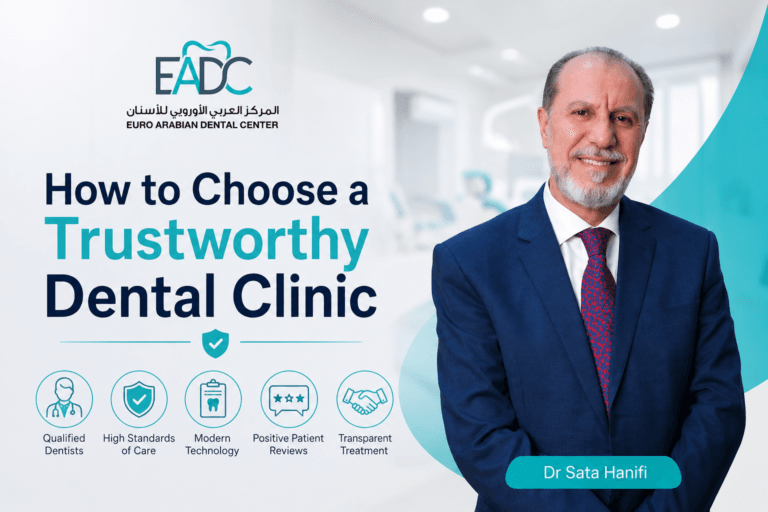
Trusted Dental Clinic in Oman: How to Choose the Right Dentist
Choosing a dental clinic is not like booking any ordinary service. This decision affects your health, comfort, smile, and sometimes your ability to eat and speak confidently for years to come. When patients ask, “How do I choose a trustworthy dental clinic?” the answer does not begin with price or location alone. It starts with the quality of care and how the treatment plan is developed from the very beginning.
A reliable dental clinic does not make unrealistic promises or oversimplify complex situations. Instead, it explains, examines, and presents clear possibilities before helping you make an informed decision. This becomes even more important when you are considering treatments beyond routine cleanings or simple fillings, such as dental implants, orthodontics, or full smile rehabilitation.
How to Choose a Trusted Dental Clinic in Oman
One of the first things to evaluate is the initial assessment process. In a reputable clinic, treatment does not begin until the condition has been thoroughly evaluated. The dentist will review your medical history, symptoms, daily habits, and any previous treatments, then combine this information with a clinical examination and diagnostic imaging when necessary.
If a treatment recommendation is made too quickly or before sufficient information has been gathered, it may be a sign to proceed with caution.
Pay attention to how the dentist explains your condition. Trustworthiness is reflected in the willingness to explain what is being observed, why a specific treatment is recommended, and what alternative options may be available. Every patient deserves to understand what is happening inside their mouth in clear and straightforward language. Lack of clarity is not a sign of expertise—it can sometimes indicate an uncomfortable shortcut.
Another positive sign is a logical and structured treatment plan. While some conditions require immediate attention, many cases benefit from a step-by-step approach: addressing infection or inflammation first, then moving on to restorative or cosmetic procedures. A trustworthy clinic views your smile not only as an aesthetic feature but also as a matter of function, health, and long-term stability.
Specialized Expertise Matters More Than First Impressions
An attractive clinic and a friendly reception team can create a pleasant experience, but they should not be the primary factors in your decision. Ask yourself whether the dentist or clinical team has genuine experience in the specific treatment you need.
Dental implant cases differ significantly from orthodontic cases, and both require different expertise than gum disease treatment or full-mouth rehabilitation. In advanced procedures, it is not enough for a clinic to simply offer a service. What matters is who performs it, how it is planned, and whether multiple specialists collaborate when necessary.
Complex cases often require a multidisciplinary approach to achieve stable, functional, and aesthetically pleasing results. This is one of the key differences between a clinic that performs isolated procedures and a dental center that evaluates the entire patient journey.
If your dental concerns have existed for years or involve multiple issues, seek a clinic that addresses the complete picture rather than focusing only on visible symptoms. Jaw discomfort, for example, may be related to bite alignment, while cosmetic concerns may stem from underlying tooth or gum support issues rather than surface appearance alone.
Accurate Diagnosis Before Treatment
One of the most common mistakes patients make is focusing on the expected result before ensuring the diagnosis is accurate. In dentistry, successful outcomes begin with precise evaluation.
A trustworthy clinic invests adequate time in examination and uses appropriate diagnostic tools without overusing or underusing technology. The goal is not to undergo every available test but to use the right tools at the right time.
Digital radiographs, clinical photography, periodontal assessments, bite analysis, and implant planning may be essential in certain situations and unnecessary in others. The real measure is whether these tools are genuinely appropriate for your needs rather than being presented solely as marketing features.
This is where the difference between careful care and rushed care becomes evident. If treatment is built on an incomplete diagnosis, the time, money, and health costs required to correct future complications can be much greater.
Transparency in Treatment Planning and Costs
Trust is built not only on clinical expertise but also on transparency. Patients have the right to understand what procedures are planned, how many stages are involved, the expected timeline, and the associated costs.
While not every detail can be predicted during the first consultation, especially in complex cases, there should be a clear framework from the beginning.
A reliable clinic explains why a specific treatment approach has been recommended and discusses alternative options when appropriate. This does not mean the least expensive option is always inferior or that the most expensive option is always superior. Differences may relate to materials, treatment duration, complexity, or the long-term stability of the outcome.
If the conversation feels focused solely on immediate sales rather than helping you understand your choices, it may be wise to slow down and seek additional information.
Sterilization and Patient Safety Are Not Minor Details
Patients may not see everything that happens behind the scenes, but they can often recognize important indicators. The cleanliness of the facility, organization of instruments, use of protective measures, and adherence to infection-control protocols all reflect the clinic’s culture and standards.
Safety is not an optional feature—it is a fundamental part of quality healthcare.
Administrative organization is equally important. Well-maintained patient records, documentation of allergies and medical conditions, and proper post-treatment follow-up demonstrate that the clinic views you as an individual with unique healthcare needs rather than simply another appointment.
Do They Care About Comfort or Only Finishing the Procedure?
A trustworthy clinic does not dismiss dental anxiety as something insignificant. Many patients postpone treatment because of previous negative experiences, fear of pain, or concerns about lengthy procedures.
A skilled dentist recognizes patient anxiety, explains each step before beginning, and regularly checks on comfort throughout treatment. In some situations, the treatment plan or appointment schedule may be adjusted to better suit the patient’s needs.
This attention to comfort is not a luxury—it is an important part of quality care. Comfortable patients tend to cooperate more effectively, follow treatment recommendations more consistently, and return for follow-up visits without hesitation.
In advanced dental centers such as Euro Arabian Dental Center, this philosophy is reflected through comprehensive diagnosis, integrated treatment planning, and a strong focus on patient comfort and long-term outcomes, particularly in treatments requiring specialized expertise and ongoing follow-up.
How Can I Evaluate a Clinic’s Reputation Wisely?
Reputation matters, but it should be assessed thoughtfully. Do not rely solely on a high overall rating or a few short reviews.
Look for deeper indicators. Do patients mention clear communication? Were appointments well organized? Were complex cases handled professionally? Were they satisfied with the follow-up process after treatment?
The quality of the clinic’s educational content can also provide valuable insight. Professional clinics often focus on educating patients rather than making exaggerated promises. This reflects a healthcare-centered mindset throughout the organization.
During your consultation, consider asking direct questions:
- Who will oversee my treatment?
- Will I need more than one specialist?
- How long is the treatment expected to take?
- How is follow-up care managed?
Professional clinics welcome these questions because they help ensure that care is tailored to your individual needs.
When Should I Seek a Second Opinion?
Requesting a second opinion is not a sign of distrust—it is often a responsible decision.
If the proposed treatment is extensive, costly, or involves tooth extraction, multiple implants, major bite adjustments, or significant cosmetic changes, it is perfectly reasonable to confirm the diagnosis and compare available options.
A second opinion may also be valuable if the explanation you received was unclear or if there is a major difference between two proposed treatment plans. The goal is not to collect endless opinions but to make a confident decision based on understanding rather than uncertainty.
Signs That Inspire Confidence—and Signs That Require Caution
Reassuring signs include a thorough examination, clear explanations, a structured treatment plan, and equal attention to both function and aesthetics. Consistent follow-up, respect for your time, and honest communication about expected outcomes are also strong indicators of a trustworthy clinical environment.
Warning signs include unrealistic promises, beginning treatment before adequate diagnosis, avoiding your questions, or presenting a single solution as appropriate for every patient. High-quality dentistry does not operate this way because every patient has unique needs and circumstances.
If you are still wondering how to choose a trustworthy dental clinic, consider this simple principle: choose the place that helps you understand your condition before asking you to begin treatment. True confidence comes from expertise, organization, transparency, and careful diagnosis—not from temporary impressions. When care begins with listening, evaluation, and personalized planning, you are far more likely to achieve safe, lasting results
